

AI-Generated Oscar Winners: A New Era in Cinema
- April 22, 2025
- 0
Lights, camera… AI-ction? 🎬 The Oscars, Hollywood’s most prestigious awards ceremony, is about to enter a new era. In a groundbreaking move, the Academy of Motion Picture Arts
Lights, camera… AI-ction? 🎬 The Oscars, Hollywood’s most prestigious awards ceremony, is about to enter a new era. In a groundbreaking move, the Academy of Motion Picture Arts
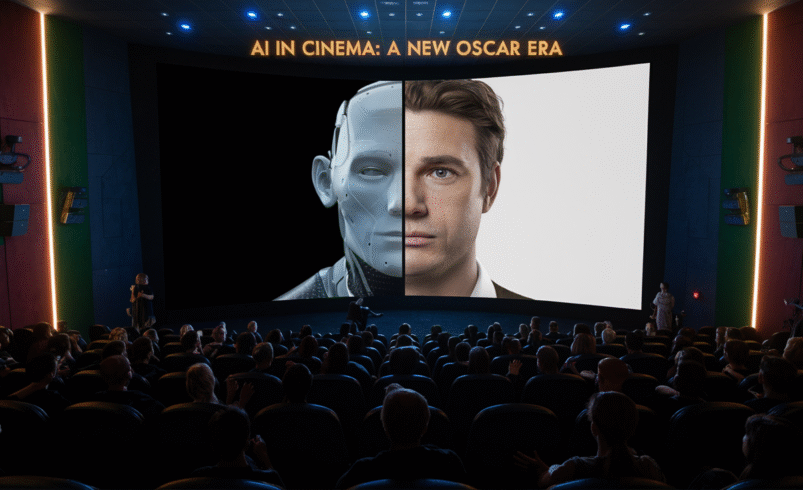
Lights, camera… AI-ction? 🎬 The Oscars, Hollywood’s most prestigious awards ceremony, is about to enter a new era. In a groundbreaking move, the Academy of Motion Picture Arts and Sciences has announced that films produced with artificial intelligence will be eligible for Oscar nominations. This decision has sent shockwaves through the film industry, sparking both excitement and concern among filmmakers, actors, and audiences alike.
As AI technology continues to advance at breakneck speed, its integration into the world of cinema raises intriguing questions. Can a machine-generated performance truly capture the nuances of human emotion? Will AI-enhanced accents and voice-cloning technology revolutionize the way we experience movies? While some see this as a thrilling leap forward in filmmaking, others worry about the potential impact on creative integrity and job security. From the recent Hollywood strikes to high-profile actors voicing their apprehensions, the debate surrounding AI in cinema is far from over.
In this blog post, we’ll delve into the fascinating world of AI-generated Oscar winners and explore the new rules governing their eligibility. We’ll examine the industry’s concerns and reactions, assess AI’s current capabilities in filmmaking, and consider how to strike a balance between technological innovation and preserving the human touch that makes cinema so magical. Get ready for a front-row seat to the future of film! 🍿🤖

The Academy of Motion Picture Arts and Sciences has taken a neutral stance on AI-assisted films, declaring that the use of artificial intelligence will neither enhance nor diminish a film’s chances for Oscar nomination. This decision acknowledges the growing role of AI in filmmaking while maintaining the importance of human creativity. The Academy emphasizes that human involvement remains crucial in determining winners, reaffirming their commitment to human artistry as the standard for Oscar-worthy work.
One significant example of AI integration in Oscar-winning productions is “The Brutalist,” which utilized AI technology for accent improvement. This showcases how AI can enhance specific aspects of filmmaking without compromising the overall creative process. The use of AI in visual effects, post-production, and pre-visualization is becoming more prevalent, demonstrating its potential benefits in the industry.
Despite the acceptance of AI-assisted films, the Academy strongly emphasizes the importance of human contribution in the creative process. This stance is reflected in the following key points:
| Aspect | AI’s Role | Human’s Role |
|---|---|---|
| Eligibility | Neither helps nor harms | Crucial for nomination |
| Creative Process | Assists in specific tasks | Primary source of creativity |
| Award Selection | Not considered | Essential for determining winners |
The Academy’s decision to allow AI-assisted films while maintaining the emphasis on human contribution reflects the ongoing debate in the industry. It acknowledges the potential of AI as a tool for enhancing filmmaking while preserving the value of human creativity and artistic expression.
With this understanding of AI’s eligibility for Oscar nominations, we’ll next explore the “New Oscar Voting Rules” that have been implemented to ensure fair evaluation of all nominated films, including those with AI assistance.

Now that we’ve explored AI’s eligibility for Oscar nominations, let’s delve into the new Oscar voting rules that have been implemented in response to the growing influence of AI in cinema.
The Academy of Motion Picture Arts and Sciences has introduced a significant change to its voting process. In light of the increasing complexity of AI-generated content, Academy members are now required to view all nominated films in each category before participating in the final voting process. This new rule aims to ensure a fair and comprehensive evaluation of all contenders, including those that may incorporate AI technologies.
| Previous Voting Process | New Voting Process |
|---|---|
| No specific viewing requirement | Must view all nominated films |
| Potential for incomplete assessments | Comprehensive evaluation ensured |
| Risk of bias towards well-known productions | Equal consideration for all nominees |
The introduction of this new viewing requirement is expected to have several impacts on the Oscar voting process and how films are evaluated:
The new voting rules reflect the Academy’s commitment to adapting to the changing landscape of filmmaking. By mandating a comprehensive viewing of all nominees, the Academy aims to maintain the integrity of the awards while acknowledging the growing role of AI in cinema.
As we move forward, these changes in the voting process are likely to spark further discussions about the industry’s concerns and reactions to AI’s integration into filmmaking. The next section will explore these industry perspectives in more detail, shedding light on the ongoing debate surrounding AI’s role in the creative process.

Now that we’ve explored the new Oscar voting rules, let’s delve into the industry’s concerns and reactions regarding AI-generated Oscar winners.
The integration of AI in filmmaking has sparked significant apprehension among artists and actors. The 148-day strike in 2023 highlighted these concerns, primarily focusing on job security. As AI tools like DALL.E and Midjourney enable rapid creation and editing of high-quality visuals, traditional roles in special effects and post-production face potential disruption.
| AI Capabilities | Impact on Jobs |
|---|---|
| Rapid visual creation | Threatens VFX artists |
| Quick footage editing | Challenges film editors |
| Text-to-video generation | Reduces need for CGI specialists |
The advancement of AI technology raises ethical concerns about the digital manipulation of actors’ appearances. Deepfake technology and the potential for digital resurrection of deceased actors blur the lines between reality and fiction, leading to:
The animation sector expresses particular skepticism towards AI-generated content. Key concerns include:
These apprehensions stem from the fear that AI might prioritize efficiency over the human elements that make animation compelling and culturally significant.
As we transition to examining AI’s current capabilities in filmmaking, it’s crucial to consider how these industry concerns will shape the future integration of AI in cinema. The balance between technological advancement and preserving the essence of human creativity remains a central challenge for the film industry.

Now that we’ve explored the industry’s concerns and reactions to AI in filmmaking, let’s delve into the current capabilities of AI in this field.
AI has made significant strides in voice-cloning and accent enhancement, revolutionizing the audio aspects of filmmaking. These advancements have opened up new possibilities for independent filmmakers and smaller productions. Tools like Izotope’s Neutron have streamlined audio mixing processes, making professional-quality sound more accessible. This technology allows for:
While AI has made impressive progress, it still faces limitations in producing content of Oscar-winning caliber. The current capabilities of AI in filmmaking include:
| AI Capability | Current Status |
|---|---|
| Script analysis | Advanced |
| Visual effects | Streamlined |
| Editing | Semi-automated |
| Content creation | Limited |
Despite these advancements, AI-generated content often lacks the nuanced storytelling and emotional depth typically associated with award-winning films. The human touch in creative decision-making remains crucial for producing truly exceptional cinematic experiences.
As machine learning continues to evolve, the potential for AI in filmmaking is vast. Future improvements may include:
These advancements could push the boundaries of cinematic storytelling, potentially leading to AI-human collaborations that produce award-worthy films. However, as we move forward, it’s crucial to consider how to balance AI integration with creative integrity, which we’ll explore in the next section.

Now that we’ve explored AI’s current capabilities in filmmaking, let’s delve into the crucial balance between AI integration and creative integrity in the film industry.
The recent Hollywood strikes brought to light significant concerns about AI’s role in the film industry. Industry stakeholders emphasized the need for:
These concerns highlight the importance of establishing guidelines for AI integration that respect creative integrity and human authorship.
To maintain a balance between AI integration and creative control, several key points must be addressed:
| Concern | Ethical Consideration |
|---|---|
| Digital recreations | Obtain consent and ensure fair compensation |
| Voice replacement | Use for accessibility purposes with transparency |
| Labor displacement | Collaborate with industry stakeholders to protect jobs |
Ethical AI applications in filmmaking can enhance the industry while preserving creative integrity:
The Academy of Motion Picture Arts and Sciences has taken steps to address AI’s role in filmmaking by clarifying that AI involvement will not influence nomination eligibility. This stance underscores the importance of human creativity in the film industry while acknowledging AI’s potential contributions.
By addressing these concerns and implementing ethical AI practices, the film industry can harness the power of AI while maintaining the creative integrity that defines cinematic art.

The integration of AI in filmmaking marks a significant shift in the cinematic landscape, as evidenced by the Academy’s decision to consider AI-assisted films for Oscar nominations. While this opens new possibilities for creative expression, it also raises important questions about the balance between technological advancement and human artistry. The industry’s mixed reactions, from cautious optimism to genuine concern, reflect the complex nature of this evolving relationship between AI and cinema.
As we move forward, it will be crucial for filmmakers, actors, and industry professionals to adapt to these changes while preserving the essence of storytelling and creative integrity. The coming years will likely see a delicate dance between embracing AI’s potential and safeguarding the irreplaceable human elements that have long been the heart of cinema. Ultimately, the true test will be how this new era of AI-generated content enhances, rather than diminishes, the magic of moviemaking that has captivated audiences for generations.