Discover how Visa's Tokenized Asset Platform transforms cross-border transactions, enhances security, supports stablecoins, and fuels financial institution growth.
What if there was a way to streamline and secure financial transactions across borders, making them quicker and more reliable? This is exactly what Visa is doing with its innovative Tokenized Asset Platform. As the digital landscape continues to evolve, financial institutions are increasingly looking for ways to modernize their operations and integrate digital assets into their service offerings.
Understanding Visa’s Tokenized Asset Platform
Visa’s Tokenized Asset Platform aims to provide financial institutions with the tools they need to transition to a more modern payment infrastructure. By leveraging blockchain technology, this platform facilitates the tokenization of real-world assets, including currencies and securities.
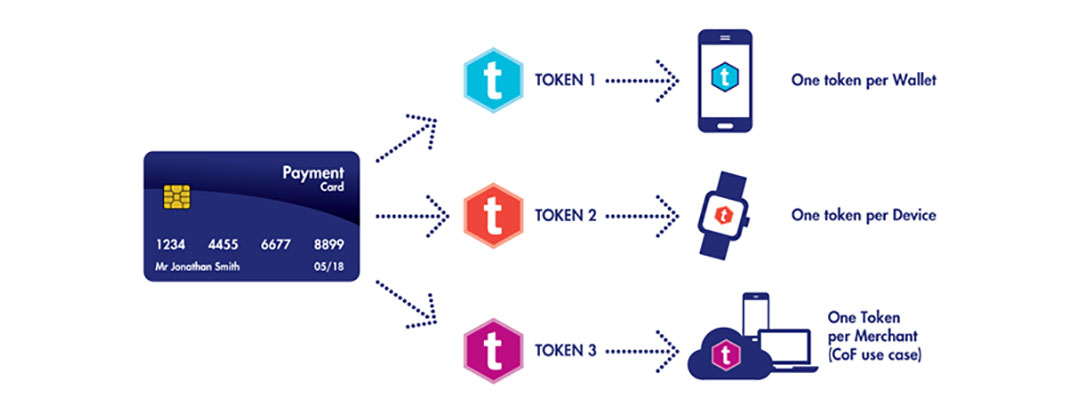
Tokenization refers to the process of converting rights to an asset into a digital token on the blockchain. This groundbreaking technology enables programmable transactions, quick settlements, and smooth integration with existing Visa networks. As more institutions turn to digital-first strategies, the importance of platforms like Visa’s cannot be overstated.
The Role of Blockchain Technology
Blockchain technology lies at the heart of Visa’s Tokenized Asset Platform. It can transform transactions by ensuring security, transparency, and efficiency. By using blockchain, each transaction is recorded on a decentralized ledger that cannot be altered, reducing the risk of fraud significantly.
The ability to carry out secure transactions in real time is essential for financial institutions aiming to compete in a fast-paced environment. Blockchain technology not only makes this possible but does so while maintaining compliance with regulatory standards.
Tokenization of Real-World Assets
Tokenizing real-world assets like currencies and securities holds immense potential for financial institutions. By converting these assets into digital tokens, they can be transferred more easily and quickly across borders. This opens up numerous opportunities for investment and financial services that can cater to a global audience.
For instance, if a currency is tokenized, it can be sent from one country to another without the need for traditional banking channels. This reduces transaction costs and time delays typically associated with cross-border payments.
Benefits of Visa’s Tokenized Asset Platform
Enhanced Security Measures
In an age where cybersecurity is paramount, Visa prioritizes security within its Tokenized Asset Platform. By employing advanced encryption techniques and robust authentication processes, the platform helps prevent fraud and unauthorized access. Financial institutions can thus assure their customers that their transactions are secure.
The built-in security features also include smart contracts, which are self-executing contracts with the terms of the agreement directly written into lines of code. This reduces the likelihood of disputes and enhances trust between parties.
Seamless Cross-Border Transactions
Traveling internationally or conducting business across borders can often lead to complex transactions. Visa’s platform simplifies this process by enabling real-time settlements and reducing the number of intermediaries involved. This makes it not only faster but also more cost-effective.
In essence, institutions can provide their clients with the ability to make cross-border payments instantly. This rapid transaction capability meets the demands of today’s global economy and keeps businesses competitive.
Support for Stablecoins
As digital currencies gain acceptance, stablecoins have emerged as a popular alternative for conducting transactions. Stablecoins are cryptocurrencies designed to have a stable value, often pegged to traditional fiat currencies. The Visa Tokenized Asset Platform supports stablecoin solutions, allowing financial institutions to offer their customers more options for digital transactions.
Stablecoins can be particularly useful for cross-border payments, as they mitigate the volatility often associated with other cryptocurrencies. Institutions that adopt these solutions can expand their service offerings, catering to clients looking for stability in their financial transactions.
Propelling Financial Institution Growth
With the rapid rise of digital assets, financial institutions face both challenges and opportunities. Visa’s Tokenized Asset Platform positions these institutions to grow by embracing new technologies and modernizing their payment systems. By adopting this platform, financial institutions can enhance their service delivery and attract a new clientele interested in digital assets.
Additionally, the integration with existing Visa networks allows for a smoother transition, minimizing disruptions during the modernization process. Institutions can focus on expanding their services without having to overhaul their entire operation.
Addressing Regulatory Compliance
Importance of Regulatory Standards
When introducing innovative financial solutions, adhering to regulatory standards is non-negotiable. Visa recognizes the importance of regulatory compliance and has built its Tokenized Asset Platform with these considerations in mind.
Regulators worldwide are increasingly focused on the implications of blockchain technology and digital assets. Visa collaborates with regulatory bodies to ensure that its platform meets the necessary compliance requirements, thereby positioning its clients as responsible players in the financial landscape.
Mechanisms for Compliance
The platform includes features that facilitate compliance with various regulations, including anti-money laundering (AML) and know-your-customer (KYC) protocols. By integrating these mechanisms, financial institutions can conduct their operations with greater peace of mind, knowing that they are meeting legal obligations.
Additionally, sharing data and reports with regulators can be done more efficiently through blockchain, enhancing transparency within the financial system. This commitment to compliance serves to build trust with customers and regulators alike.
The Future of Digital Assets and Visa’s Position
Trends in the Digital Asset Space
The world of digital assets is evolving rapidly, with increasing interest from both individuals and institutions. As more people adopt cryptocurrencies and digital currencies, the demand for secure and efficient transaction methods will grow correspondingly. Technologies that offer valuable solutions, such as Visa’s Tokenized Asset Platform, will be pivotal in shaping the future of finance.
Financial institutions need to keep up with these trends, as customers increasingly expect their banking services to innovate and offer the benefits of digital assets. The Visa platform’s capabilities position it well to serve as a cornerstone for institutions looking to stay relevant.
Visa as a Proactive Innovator
By creating its Tokenized Asset Platform, Visa has taken a proactive approach to adapt to the needs of modern finance. Its commitment to innovation, security, and regulatory compliance sets it apart in the competitive landscape of financial services.
Visa’s established reputation as a leader in payment solutions further strengthens its position as a key enabler of the tokenized economy. As institutions look to the future, they can rely on Visa to provide them with the tools necessary for success.
Conclusion
Visa’s Tokenized Asset Platform represents a significant leap forward for financial institutions aiming to modernize their operations and embrace the digital economy. By offering secure cross-border transactions, supporting stablecoins, and ensuring regulatory compliance, Visa has positioned itself as an essential partner for institutions navigating the complexities of digital assets.
As technology continues to evolve, financial institutions must adapt to meet the changing demands of their customers. Visa’s platform not only facilitates this transition but also empowers institutions to drive growth and innovation. The future of finance is digital, and Visa is at the forefront, ready to help institutions unlock new opportunities.