
What if your next president proposed a radical economic strategy involving cryptocurrency? That’s exactly what former UFC champion Conor McGregor is suggesting in his bid for the Irish presidency. Let’s unpack what this could mean for Ireland, the Bitcoin landscape, and the intersection of sports and politics.
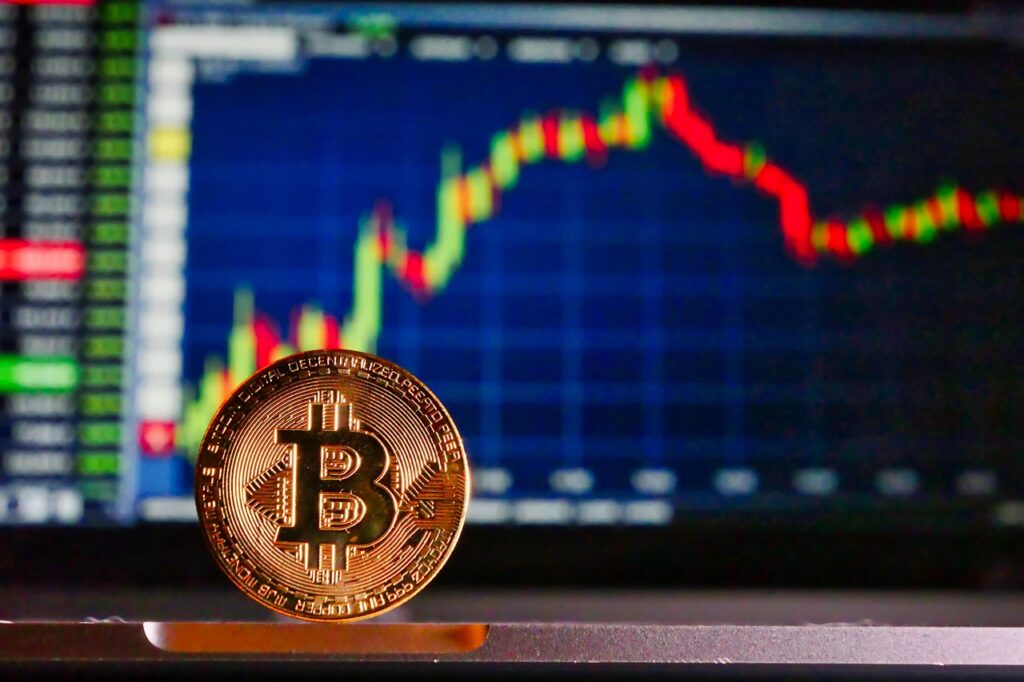

Conor McGregor: From Octagon to the Political Arena
Conor McGregor has made headlines over the years as one of the most decorated mixed martial artists in history. But his career pivot into politics has raised eyebrows, has it not? Announcing his independent candidacy for the Irish presidency, McGregor has begun to formulate policies that reflect a mix of public sentiment and his own experiences.
His political platform centers on issues many are concerned about, such as crime and immigration. Interestingly, he’s adding a new layer to his campaign by advocating for the establishment of a Bitcoin reserve in Ireland. But why Bitcoin?
The Power of Bitcoin
McGregor has expressed that cryptocurrency, particularly Bitcoin, was created with the intention of empowering individuals. He believes this is an opportunity for the Irish people to regain control over their financial future. In his own words on social media, he wrote, “An Irish Bitcoin strategic reserve will give power to the people’s money.”
This perspective invites a broader conversation about what Bitcoin represents in today’s economy. At its core, Bitcoin is designed to be decentralized, which means no single entity controls it—ideal for a country seeking to empower its citizens.
The Proposal for an Irish Bitcoin Reserve
What Would a Bitcoin Reserve Look Like?
Let’s get down to the specifics. McGregor’s idea of a Bitcoin reserve entails setting aside a significant amount of the cryptocurrency as a strategic hold by the Irish government. The goal is to provide a stable financial asset that can potentially grow in value, thereby benefitting citizens.
A reserve could act as a financial buffer during economic downturns. It was famously adopted by El Salvador when they became the first country to make Bitcoin legal tender. While Ireland hasn’t taken that step yet, the idea of a reserve is intriguing.
-
Benefits of a Bitcoin Reserve:
- Increased financial autonomy for citizens.
- Protection against inflation common in traditional finance systems.
- Attraction of tech investment and innovation to Ireland.
-
Challenges Ahead:
- Legislative hurdles: The government would need to craft comprehensive regulations regarding cryptocurrency.
- Market volatility: Bitcoin prices can fluctuate wildly, making budgeting and reserve management tricky.


Public Response and Industry Leaders’ Opinions
Following McGregor’s announcement, there has been a notable buzz among key players in the cryptocurrency industry. For instance, prominent figures like Anthony Pompliano expressed interest in discussing the vision for a Bitcoin reserve. McGregor has encouraged collaboration, saying, “We need the greatest minds for this BTC Reserve. Message me and let’s chat on my space.”
Support from Political Figures
Interestingly, McGregor’s political visibility has been further enhanced by interactions with notable political figures, including US President Donald Trump’s crypto advisor, David Bailey. Such endorsements signal that McGregor is not just a sports star but also someone capable of influencing and engaging in serious political discourse.
Historical Context of Cryptocurrency in Government
Global Examples of Bitcoin Adoption
While the idea of a national Bitcoin reserve may seem avant-garde, it’s not entirely without precedent. Countries like El Salvador and Bhutan have taken bold steps regarding cryptocurrencies:
-
El Salvador: Became the first country to adopt Bitcoin as legal tender, aiming for greater financial inclusion.
-
Bhutan: Has been exploring cryptocurrency’s potential for economic growth, particularly in tourism-focused approaches that leverage digital currencies.
These examples raise questions about the efficacy and sustainability of such policies. Could Ireland benefit from similar moves?
The Irish Economic Landscape
To better understand how a Bitcoin reserve could fit into Ireland’s economy, it’s crucial to look at the current economic landscape. Ireland is recognized for its strong tech sector, attracting numerous multinational corporations. However, challenges like housing shortages, rural development issues, and socioeconomic disparities persist.
Integrating Bitcoin could help diversify financial mechanisms available to the government and citizens. Still, it would require a collaborative mindset across government departments and stakeholder groups.
The Implications of McGregor’s Proposal
Economic Independence
By proposing a Bitcoin reserve, McGregor is hinting at a future where Ireland can operate more independently from traditional financial systems. Imagine a nation where citizens are empowered to control their own finances through a digital currency. It presents a vision of modern economic independence for the Irish populace.
Political Inspections
However, every proposal comes with scrutiny. McGregor’s past convictions—including his recent guilty verdict for sexual assault—cast shadows on his political aspirations. Critics will undoubtedly dissect not just his policies but also his character. Can someone with his history genuinely spur positive changes in Irish politics?
Previous Endeavors and Public Sentiment
Let’s not forget McGregor’s recent failure with cryptocurrency ventures. Just last month, his “REAL” token project failed to meet its funding target, raising questions about his grasp of the crypto landscape. The project ended up refunding all bids after raising only a fraction of its goal. This failure could either tarnish or toughen his resolve regarding his Bitcoin plans.
Potential Future Developments
McGregor’s Vision in Action
If McGregor’s Bitcoin reserve proposal gains traction, it could pivot Irish financial policy into a new direction. It may not be an immediate roadmap toward cryptocurrency integration, but it certainly opens a dialogue about financial innovation.
The Role of Policy Makers
For the proposal to materialize, it would require thoughtful consideration and the drafting of new policies. Lawmakers would need to engage with economists, tech leaders, and the public to navigate the potential complexities of digital currency.
The Road to the presidential Election
The Countdown to November 2025
As the clock ticks toward Ireland’s presidential election on November 11, 2025, McGregor’s campaign will need to clarify and strengthen this unique proposition.
- What are the tangible steps toward establishing a Bitcoin reserve?
- How will the government address regulation?
- What educational resources will surfaces to help citizens understand Bitcoin?
The Importance of Public Engagement
Public involvement could be crucial for McGregor’s proposal. Engaging voters in conversations about digital currency could build a deeper understanding of its benefits and risks, which in turn could garner support not just for him but for the broader conversations surrounding future financial policies.
Wrap-Up and Takeaways
In a world where technology is evolving faster than legislation can keep up, Conor McGregor’s proposal of a Bitcoin reserve in Ireland is provocative. It raises many questions—not just about cryptocurrency but also about leadership and the ability to bring communities together.
Engaging with cryptocurrency might offer paths for economic independence, empowering citizens with their financial futures. However, the road ahead is littered with challenges and will require concerted efforts from all corners—government, industry leaders, and the general populace.
Will McGregor’s vision shape not just a presidential campaign but that of a nation’s future? Only time will tell, and as we draw closer to the election, the discussion around Bitcoin in Ireland is likely to become more heated and thought-provoking.
By fostering dialogues around the implications of cryptocurrency in governance, you might be witnessing a new chapter in Ireland’s history—one where the lines between sports, leadership, and economics blur intriguingly.