

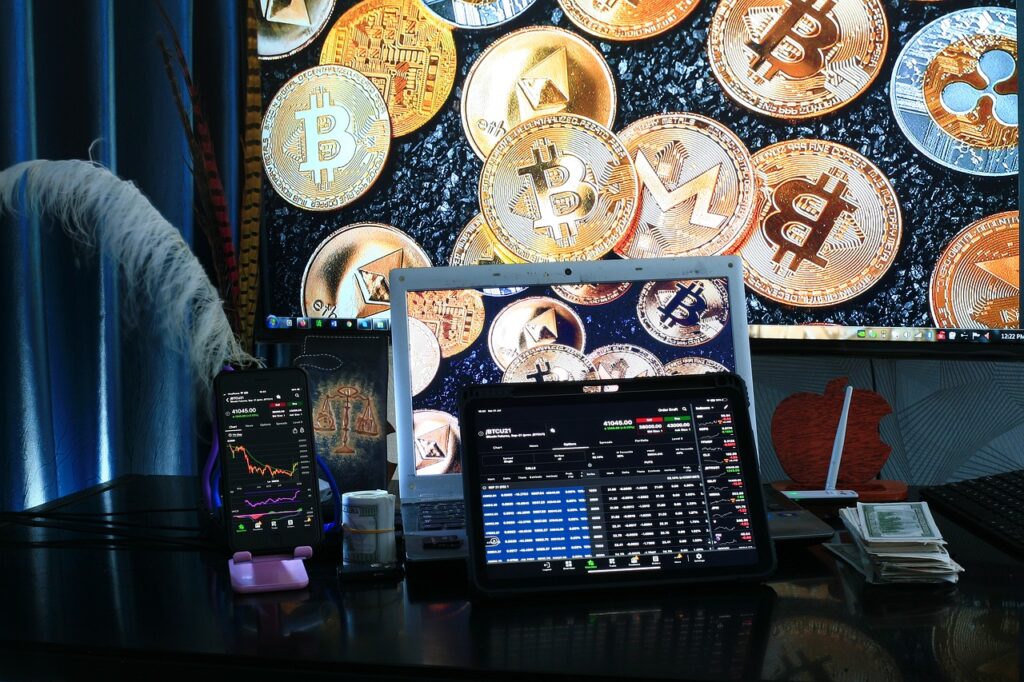
What happens when a nation decides to embrace technology in the face of financial restrictions? Just look at Russia, which has recently announced plans to launch state-sanctioned stablecoins and create two new cryptocurrency exchanges. This move appears to be a direct challenge to the Western sanctions imposed on the country, signaling a shift in the global financial landscape.
Russia’s Strategic Financial Shift
In recent years, Russia has found itself increasingly isolated due to sanctions imposed by the United States and its allies. These sanctions have targeted various sectors, including finance, energy, and technology, aiming to pressure the Russian government. However, rather than back down, Russia seems to be doubling down on its financial strategy—developing state-backed stablecoins and launching alternative cryptocurrency exchanges.
This bold strategy reflects a broader desire to circumvent Western financial systems, particularly the SWIFT network, which has been a cornerstone of international banking. The implications of such a move could resonate far beyond Russia’s borders and reshape the dynamics of global finance.
Understanding Stablecoins
What Are Stablecoins?
Stablecoins are cryptocurrencies designed to maintain a stable value by pegging them to other assets, typically traditional currencies like the US dollar. This stability makes them an attractive option for transactions, especially in volatile markets. Unlike regular cryptocurrencies like Bitcoin or Ethereum, whose values can fluctuate wildly, stablecoins aim to provide a reliable medium of exchange.
Types of Stablecoins
There are several types of stablecoins, including:
| Type | Description | Example |
|---|---|---|
| Fiat-collateralized | Backed by a reserve of fiat currency, typically held in a bank account. | USDC, Tether |
| Crypto-collateralized | Backed by other cryptocurrencies, usually over-collateralized to account for market fluctuations. | DAI |
| Algorithmic | Uses algorithms to control supply and demand, aiming to stabilize value without backing. | Ampleforth |
The Digital Ruble: Russia’s Central Bank Digital Currency (CBDC)
What is the Digital Ruble?
The digital ruble represents Russia’s attempt to modernize its currency and payments system. As a Central Bank Digital Currency (CBDC), it will be issued and regulated by the Bank of Russia, aiming to facilitate secure and efficient transactions. Central banks around the world have been exploring CBDCs to improve payment systems, reduce transaction costs, and enhance financial inclusion.
Implications for Cross-Border Trade
Moscow plans to leverage the digital ruble in cross-border trade, particularly with allied nations such as China. By adopting blockchain technology to underpin the digital ruble, Russia envisions a smoother transaction process that circumvents traditional banking hurdles, including sanctions.
New Crypto Exchanges
The Launch of Russian Crypto Exchanges
To bolster its cryptocurrency initiatives, Russia plans to establish two new crypto exchanges that could function independently of Western regulatory frameworks. This move is not just about providing a platform for trading; it represents a concerted effort to create an alternative financial ecosystem. By offering services that can’t be easily monitored or restricted by Western entities, these exchanges could facilitate greater financial freedom for Russian businesses and individuals.
Regulatory Responses to Crypto
The establishment of domestic crypto exchanges may raise eyebrows internationally, especially concerning compliance with existing financial regulations. Countries have been grappling with how to regulate cryptocurrencies effectively, and Russia’s plans could test the resilience of these frameworks. The exchanges will likely operate under specific regulations, which need to be designed in a way that keeps the government’s interests in mind while promoting market growth.

Bypassing SWIFT
The Significance of a SWIFT Alternative
SWIFT is crucial for international financial transactions, serving as a messaging network that enables banks to communicate securely about money transfers. For Russia, being cut off from SWIFT due to sanctions has posed significant challenges. Consequently, it’s seeking alternatives that could provide similar functionalities without the risk of external interference.
Blockchain as a Solution
By utilizing blockchain technology, Russia hopes to create a payment system that is less susceptible to geopolitical tensions. Blockchain’s decentralized nature means that transactions do not rely on a single governing authority, which can provide Russia with the flexibility needed to maintain economic relationships with its allies.
Concerns and Consequences
Potential Risks
Russia’s plans to launch state-approved stablecoins and create new crypto exchanges do not come without risks. Experts warn that these moves might lead to an acceleration in the development of parallel financial systems that operate outside of established compliance frameworks. This could pose challenges not just for Russia, but for the entire international banking system.
The Shift in Geopolitical Finance
As nations like Russia take bold steps to create alternatives to current financial systems, the geopolitical landscape is bound to change. This shift could see increased collaboration between countries that have been marginalized by Western policies.

The Role of Blockchain Payments
How Blockchain Facilitates Transactions
Blockchain technology offers a transparent and secure way to conduct transactions. Each transaction is recorded on a public ledger, which minimizes the risks of fraud and provides traceability. By integrating blockchain into its financial strategy, Russia may enhance the security and efficiency of its payment systems.
Adoption of Decentralized Finance (DeFi)
The rise of Decentralized Finance (DeFi) platforms allows individuals and businesses to transact without relying on traditional banks. This could provide additional options for Russians looking to circumvent sanctions. As DeFi continues to evolve, it might offer innovative solutions for cross-border trade and international finance.
Regulatory Challenges Ahead
The Global Landscape of Crypto Regulations
The regulatory environment surrounding cryptocurrencies remains complex and varied across the globe. In some countries, regulations are supportive, aiming to promote innovation, while others are more cautious or outright prohibitive. Russia’s initiative stands in stark contrast to many Western nations, underscoring a divide in financial philosophies.
Compliance Frameworks in the Crosshairs
Should Russia’s plans come to fruition, existing global compliance frameworks may need to adapt. The challenge will be to balance national security interests while allowing for innovation in financial technologies. How will countries coordinate to ensure compliance across different jurisdictions?

Lessons from Other Nations
Learning from Global Precedents
Historically, other nations that faced economic sanctions or pressures have sought alternatives, often leading to innovative financial practices. For example, Iran has explored cryptocurrencies and barter systems in response to sanctions. Observing these experiences could provide insights for both the opportunities and pitfalls that Russia might face.
The Case of China
China’s foray into blockchain technology, including its own digital currency, demonstrates the potential of state-controlled cryptocurrencies to strengthen national interests. As Russia looks to China for partnerships, it may find valuable lessons in how to navigate international finance while mitigating risks associated with sanctions.
Conclusion: A New Era of Financial Sovereignty?
Russia’s plans to launch state-backed stablecoins and crypto exchanges signify a pivotal moment in the intersection of technology and finance. By leveraging blockchain technology to create alternatives to SWIFT and enhance cross-border trade, Russia may reshape the future of financial transactions.
The implications of these moves extend beyond Russia’s borders, potentially challenging existing global financial systems and regulations. As nations adopt innovative financial tools in response to geopolitical pressures, the world may see the emergence of a more fragmented yet dynamic financial landscape.
In the ever-evolving world of finance, one thing is clear: the game is changing. Whether these changes will lead to greater financial sovereignty for nations like Russia or introduce new complexities into the global financial ecosystem remains to be seen. As countries navigate this new terrain, all eyes will be on the unfolding saga of state-backed stablecoins and the dynamics of cryptocurrency exchanges in the coming years.