AI and Creativity: Can Machines Make Art and Music?
Can AI truly create art and music, or is it just remixing what it learned? A UK look at AI creativity, copyright and what it means for artists.
Ask ten people whether AI can create real art and you’ll get ten different answers. Some call it theft. Some call it the biggest creative tool since the camera. UK musicians, illustrators and photographers are all wrestling with the same question right now: if a machine can paint a masterpiece in ten seconds, what happens to the humans who spend years learning the craft? When I looked into this properly, the picture turned out messier — and more interesting — than the headlines suggest.
What Do We Mean by “AI Creativity”?
“AI creativity” usually means one of two things. Either a machine generates original-looking images, music or text from a text prompt. Or a human uses AI tools to speed up part of a creative process they still control. The distinction matters more than most articles admit.
Text-to-image tools like Midjourney, DALL-E and Stable Diffusion learned by studying millions of existing images. They don’t “imagine” the way a person does. They predict which pixels statistically belong next to each other, based on patterns in training data. Music tools like Suno and Udio work the same way with sound.
That’s not nothing. It’s genuinely useful. But calling it “imagination” stretches the word past what’s actually happening under the bonnet. The engineering is impressive even if the philosophy is shaky.
UK art schools have started teaching AI literacy alongside traditional technique, precisely because the boundary keeps shifting under students’ feet. Some now run entire modules on prompt craft as a creative discipline in its own right.
How AI Generates Images and Art
Most image generators use a technique called diffusion. The model starts with random noise and gradually removes it, step by step, guided by your text prompt. Repeat that a few dozen times and a coherent image emerges.
The results can be stunning. Photorealistic portraits. Impossible landscapes. Album covers in seconds, not weeks. A single artist can now produce concept art for an entire game in an afternoon, work that used to take a small team a month.
But look closely and cracks show. Hands with six fingers. Text that isn’t quite text. Backgrounds that don’t obey physics. These “tells” are shrinking fast, though — 2024’s obvious AI image is 2026’s near-perfect one.
Training these models isn’t cheap either. A frontier image model can cost several million pounds to train, which is why only a handful of companies control the leading tools. That concentration worries plenty of independent artists watching from outside.
AI Music: From Jingles to Full Compositions
Suno can generate a full song — vocals, lyrics, instrumentation — from a one-line prompt in under a minute. Udio does something similar. Type “melancholy indie folk song about missing a train” and you’ll have something listenable almost instantly.
UK indie labels are split on this. Some see a cheap way to generate demo tracks or background music for adverts. Others see a flood of soulless filler drowning out human musicians on streaming platforms.
Spotify has already pulled thousands of suspected AI tracks. The platform won’t say exactly how many. That silence tells its own story.
Session musicians report a genuine drop in library-music work — the low-budget, functional soundtracks used in adverts and corporate videos, which AI handles adequately at a fraction of the cost. Some have pivoted to teaching or session work for live performance instead.
Can AI Actually Be Creative, or Just Remix?
Philosophers have argued about “creativity” for centuries, so AI hasn’t settled anything new — it’s just raised the stakes. A strong case exists that AI genuinely produces novel combinations nobody typed in directly.
A weaker but still common view: AI is an extremely sophisticated collage machine. It recombines fragments of everything it was trained on, without understanding meaning, intent or emotion the way a human artist does.
UK investors keep asking about this because it affects valuations of AI art startups. If courts eventually rule that AI output can’t be original enough to copyright, entire business models collapse overnight.
Somewhere between those two extremes sits the honest answer: AI produces statistically novel output, but calling that “creativity” in the human sense is a stretch most computer scientists won’t make. The debate probably won’t be settled by engineers anyway — it’ll be settled by courts and culture, slowly and unevenly, over the next decade.
The Copyright Question UK Artists Are Watching
The UK’s Intellectual Property Office ran a consultation on AI and copyright that closed with no clear resolution. Artists want an opt-out from having their work used as training data. AI companies want the opposite — broad permission by default.
Getty Images sued Stability AI in the UK courts over allegations that Stable Diffusion trained on millions of copyrighted photos without permission. That case is still working through the system in 2026, and the outcome could reshape the entire industry.
For now, if you use AI-generated art commercially in the UK, you’re operating in a genuine grey area. Get legal advice before you build a business around it.
Some stock photo sites now ban AI submissions outright, while others created separate AI-only categories with lower payouts to creators. Neither approach has settled the underlying dispute, and licensing terms keep shifting month to month as the legal picture develops.
Real Artists Using AI as a Tool, Not a Replacement
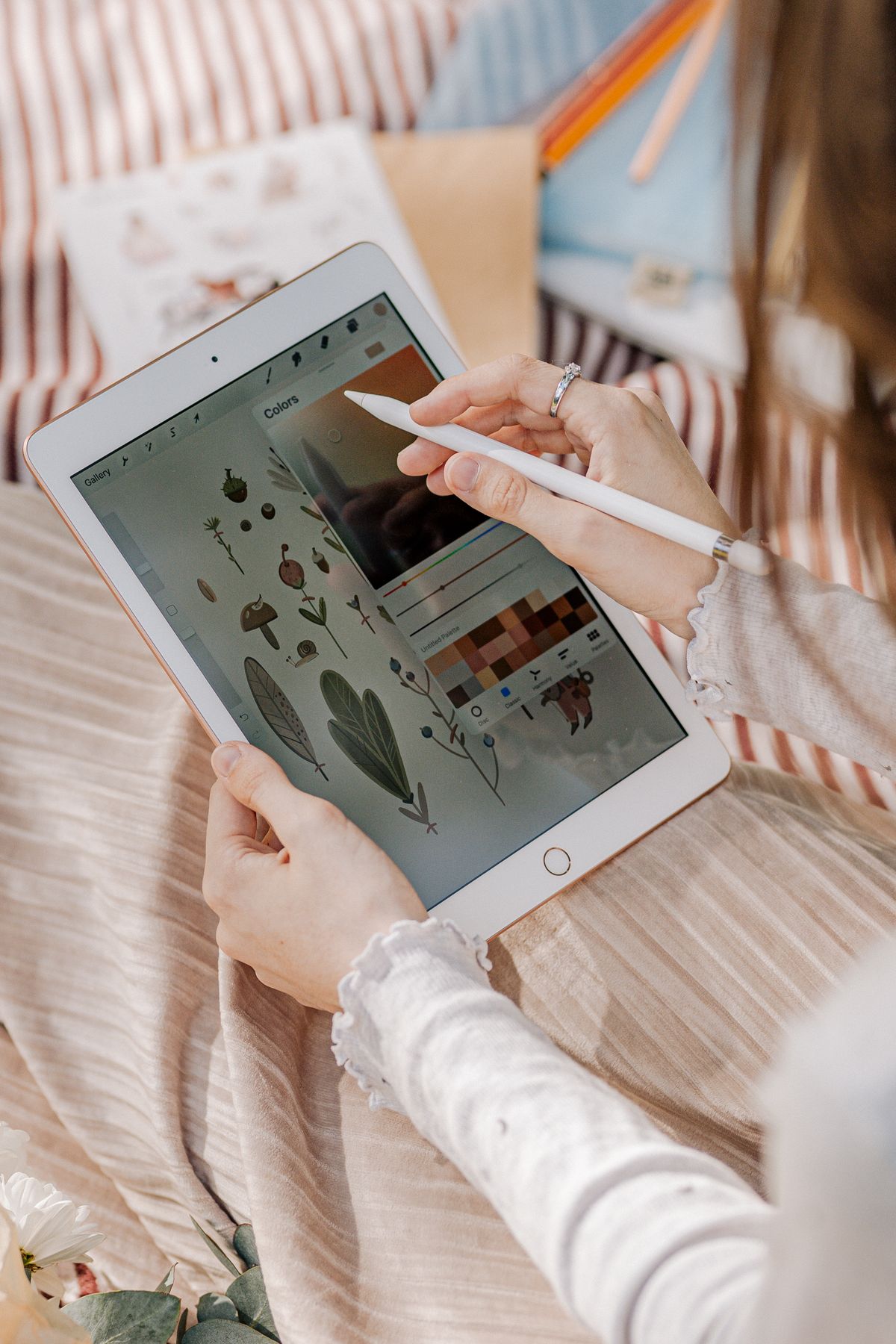
The most interesting work isn’t “type a prompt, get a masterpiece.” It’s illustrators using AI to rough out ten thumbnail concepts before choosing one to paint properly by hand. It’s composers using AI to generate a chord progression they then rework entirely.
Grammy-nominated producers have quietly used AI stem-separation tools for years — pulling a vocal track out of an old recording to sample it cleanly. Nobody called that “cheating” until generative AI made headlines.
I’ve seen this pattern with three different creative studios now. The ones thriving treat AI like a very fast intern, not a replacement director.
A London-based animation studio told me they’ve cut early-stage storyboarding time by 60% using AI drafts, while keeping every final frame hand-finished by an artist. That hybrid model is becoming the industry default rather than the exception, and clients rarely notice the difference in the finished product.
The Backlash: Why Some Creatives Hate This
Artists aren’t wrong to be angry. Many trained for a decade to develop a style, only to watch AI tools trained on their own portfolios — often without consent — undercut their pricing overnight.
Illustrators on platforms like ArtStation staged protests in 2023 and 2024, flooding the site with “No AI” watermarked images in solidarity. Similar movements have popped up on Bandcamp and SoundCloud for musicians.
This falls apart fast if you try to draw a clean moral line, though. Photography faced identical accusations of “killing painting” in the 1800s. History doesn’t repeat exactly, but it rhymes uncomfortably here.
Some artists have responded by adding data-poisoning tools to their portfolios, subtly corrupting images so they train AI models incorrectly if scraped without permission. Tools like this remain a niche defence rather than a mainstream solution, and their long-term effectiveness against newer models is unproven.
AI in Film and Video: The Next Frontier
Text-to-video tools have moved from novelty to genuinely usable in the space of about two years. Runway, Sora and similar tools can now generate short clips with consistent characters across multiple shots.
UK production companies are experimenting cautiously — using AI for pre-visualisation and pitch reels rather than finished broadcast content, where quality and rights clearance still fall short.
Actors’ unions on both sides of the Atlantic have pushed hard for contractual protection against AI likeness cloning, and UK performers are watching those negotiations closely. Equity, the UK actors’ union, has published its own guidance on AI consent clauses for members.
Should UK Creatives Be Worried About Their Jobs?
The honest answer is: some jobs, yes. Entry-level stock illustration and generic background music are already being squeezed hard by cheap AI alternatives.
But highly skilled, distinctive creative work — the kind clients hire for a specific person’s taste and judgement — has proven far more resistant so far. Nobody hires a specific illustrator because they can produce images fast; they hire them because of a recognisable style AI can only approximate.
The safest position for any UK creative right now is developing a genuinely distinctive voice, one that’s harder to prompt your way into replicating. That’s always been good career advice — AI just raised the stakes on ignoring it.
What This Means for You
If you’re a UK creative professional, the practical advice is boring but true: learn the tools rather than ignore them. Clients increasingly expect AI-assisted speed on smaller budgets, whether that feels fair or not.
If you’re a business buying creative work, understand the copyright risk before you publish AI-generated material at scale. A cheap AI logo that gets challenged in court isn’t actually cheap.
Whatever side of this debate you land on, one thing looks certain: the line between “made by a human” and “made by a machine” is only going to get blurrier from here.
This article is for educational purposes only and does not constitute financial advice. Cryptocurrency investments involve significant risk. Always do your own research.
Stay ahead of the market
Join our community of nearly 5,000 across YouTube, LinkedIn, X, and Facebook — weekly crypto, AI, and digital lifestyle insights every Thursday. No spam. Unsubscribe any time.
Partner picks
Build a smarter digital stack
Explore curated AI, automation, wealth, and creator tools selected for practical value, transparent pricing, and clear use cases.
Disclosure: some links may be affiliate links. DigitechLifestyle may earn a commission at no additional cost to you.