Crypto Payment Processors Explained: How UK Merchants Accept Bitcoin
How UK merchants accept Bitcoin and stablecoins safely using crypto payment processors, without holding volatile crypto themselves.
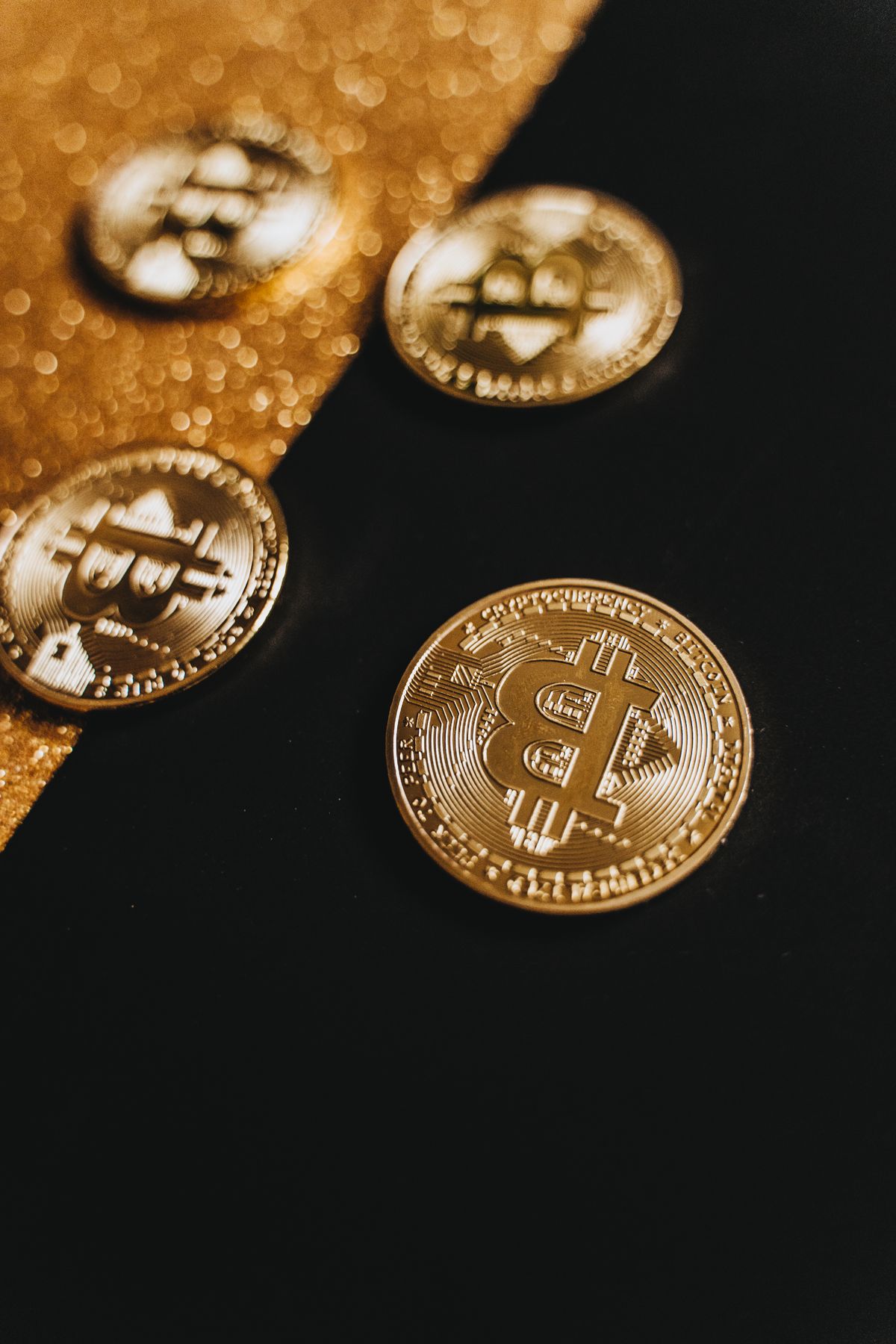
A café in Manchester takes Bitcoin payments. The customer taps their phone. Behind the scenes, a payment processor converts crypto to pounds before the barista even hands over the coffee.
Most UK merchants accepting crypto never touch the volatility directly. When I looked into how this actually works, the plumbing turned out simpler than expected — and stranger too.
What a Crypto Payment Processor Actually Does
A crypto payment processor sits between the customer and the merchant. It generates a payment address, receives the crypto, and instantly converts it to fiat currency.
The merchant never has to hold Bitcoin or worry about its price dropping between the sale and settlement. Several established processors offer this service to UK businesses today.
Under the hood, most processors run this conversion through their own liquidity pools or exchange partnerships, executing the trade in milliseconds rather than waiting on a manual process.
Settlement into a UK bank account usually takes one to two business days. Fast enough for most small businesses to treat it like any other card payment.
Some processors offer instant settlement for a slightly higher fee, useful for merchants who need same-day cash flow rather than waiting out the standard window.
Behind the scenes, the processor typically hedges the crypto exposure itself, often within seconds of receiving payment, so the conversion rate quoted to the merchant barely moves.
Why Merchants Bother With This At All
Card processing fees typically run 1.5% to 3.5% per transaction in the UK. Crypto payment processors often charge under 1%, sometimes as low as 0.5%.
For a business doing £50,000 a month in card sales, that fee difference adds up to real annual savings. Every basis point matters to a small trader.
There’s also the customer angle. A growing slice of younger UK shoppers — recent surveys put it near 18% of under-35s — actively hold crypto and want to spend it.
No chargebacks either. Crypto transactions settle irreversibly once confirmed, removing a source of fraud and dispute costs that card-accepting merchants budget for every year.
For merchants selling internationally, there’s a currency angle too. A processor converting stablecoins to pounds sidesteps the multi-day delays and fees of traditional cross-border banking.
Bitcoin vs Stablecoins: A Different Risk Profile
Bitcoin payments carry genuine volatility risk during the brief window between payment and conversion. A sharp five-minute price swing is rare but not impossible.
Stablecoins solve this more cleanly. USDC and USDT track the US dollar, so merchants accepting them face essentially none of Bitcoin’s price risk.
Because of this, more UK payment processors are pushing stablecoin rails specifically for merchant settlement, keeping Bitcoin as a customer-facing option layered on top.
Some processors now offer a hybrid option, letting the customer pay in whichever token they hold while instantly routing everything into stablecoin before it ever touches the merchant’s dashboard.
The Lightning Network Speed Advantage
Standard Bitcoin transactions can take ten minutes or longer to confirm. That’s too slow for a busy till queue.
The Lightning Network fixes this by settling small Bitcoin payments off-chain, confirming in under a second. Several UK cafés and small retailers now use Lightning specifically for this reason.
Fast. Cheap. No queue delay. It’s the part of crypto payments that actually feels like using a card.
Transaction fees on Lightning often run a fraction of a penny, far below even the lowest card processing rate, which matters most for businesses selling low-margin items like coffee or snacks.
Setting Up as a UK Merchant
Getting started usually means signing up with a processor, verifying business details, and adding a QR code or plugin to a till system or website.
Shopify, WooCommerce, and most major UK e-commerce platforms support crypto payment plugins directly. Integration typically takes under an hour for a technically comfortable merchant.
HMRC treats the fiat-converted proceeds as ordinary business income, taxed the same as any other sale. The crypto step is invisible to your tax return once it settles as pounds.
Most processors also provide a dashboard showing every transaction converted to pounds at the time of sale, which makes bookkeeping considerably simpler come year end.
The Regulatory Picture in 2026
The FCA’s cryptoasset regime, taking full effect from September 2026, brings payment processors under clearer registration requirements.
Processors serving UK merchants now need proper anti-money-laundering checks and clear consumer disclosures. That’s tightened the field — a few smaller processors have already exited the UK market this year.
For merchants, this is good news. Working with an FCA-registered processor reduces the odds of a provider vanishing mid-settlement, something that has happened with smaller players before.
UK merchants should check a processor’s registration status directly on the FCA register before signing up, rather than relying on marketing claims alone.
What the Big Players Are Doing
Several UK high street names have quietly trialled crypto acceptance through third-party processors rather than building their own infrastructure from scratch.
The pattern is consistent — retailers plug in a processor as a payment option alongside cards, rather than replacing existing payment rails entirely.
That low-risk approach explains why crypto payments keep appearing at more UK tills without ever becoming the default. It’s an addition, not a replacement.
A handful of independent UK hospitality venues have gone further, offering small discounts for crypto payment specifically to offset the lower processing fees they pay themselves.
Comparing the Major UK-Available Processors
Most processors serving UK merchants fall into two camps: dedicated crypto-first companies, and payment giants that bolted crypto support onto an existing card infrastructure.
Crypto-first processors tend to support more coins and offer lower fees, but come with less established customer support and shorter track records than the established payment names.
Bolt-on providers offer familiarity and existing banking relationships, but often restrict merchants to Bitcoin and one or two major stablecoins rather than a wider selection.
Where This Still Falls Short
Adoption remains genuinely low. Fewer than 2% of UK small businesses accept crypto payments directly, according to recent business survey data.
Customer awareness is patchy too. Many shoppers simply don’t think to ask, even at businesses that do accept it — signage and staff training lag behind the technology.
Bank partnerships remain cautious as well. Some UK high street banks still flag crypto-linked business accounts for extra review, slowing onboarding for merchants who want in.
What Customers Actually Experience at the Till
From the customer’s side, paying with crypto usually means scanning a QR code and confirming the payment on their own wallet app, much like a contactless tap.
The whole exchange typically takes under 30 seconds for Lightning payments, similar to a standard card tap, though on-chain Bitcoin confirmations can take noticeably longer.
Receipts show the pounds amount charged, not the crypto figure, which keeps the experience familiar even for customers who’ve never paid with crypto before.
What Goes Wrong When It Doesn’t Work
The most common failure point is customer error — sending the wrong amount, or from an unsupported network, which processors generally can’t reverse once confirmed.
Price volatility during on-chain confirmation delays can occasionally leave a small gap between what the customer sent and what settles, though processors usually absorb minor differences.
Staff training matters more than the technology itself. A cashier who understands the QR flow resolves most customer confusion in seconds rather than escalating it into a refused sale.
Refunds work differently too. Rather than reversing the original transaction, most processors issue a fresh crypto transfer back to the customer’s wallet, which staff need to know how to trigger correctly.
Security Basics Every Merchant Should Know
Payment addresses generated for each transaction should never be reused manually. A good processor handles this automatically, generating a fresh address for every single sale.
Staff should never move funds between wallets themselves. All conversion and settlement should flow through the processor’s own infrastructure, not a personal exchange account.
Two-factor authentication on the merchant dashboard is non-negotiable. Several small business account takeovers reported in 2026 traced back to a single missing security step at setup.
What This Means for You
If you run a UK business and get regular questions about crypto payments, the infrastructure to accept them safely already exists and settles in pounds within days.
Compare processor fees against your current card provider before switching anything. The savings are real, but only if transaction volume justifies the setup effort.
Crypto payments won’t replace cards for most UK businesses soon. But as a low-fee option alongside existing methods, the case is stronger than most merchants realise.
Start small if you’re curious. Add a processor as one extra option, watch how many customers actually use it over a quarter, then decide whether wider promotion is worth the effort.
The direction is clear enough either way. As stablecoin rails mature and FCA registration filters out the weaker operators, crypto payments look set to become an unremarkable line item on UK till systems — not a novelty, just another option next to Visa and Mastercard.
This article is for educational purposes only and does not constitute financial advice. Cryptocurrency investments involve significant risk. Always do your own research.
Stay ahead of the market
Join our community of nearly 5,000 across YouTube, LinkedIn, X, and Facebook — weekly crypto, AI, and digital lifestyle insights every Thursday. No spam. Unsubscribe any time.
Partner picks
Build a smarter digital stack
Explore curated AI, automation, wealth, and creator tools selected for practical value, transparent pricing, and clear use cases.
Disclosure: some links may be affiliate links. DigitechLifestyle may earn a commission at no additional cost to you.