Bitcoin ATMs Explained: How They Work and Are They Safe for UK Users
No Bitcoin ATM in the UK is FCA-authorised, and fees run 8-15%. Here is how these machines work and how to use them safely, or avoid them entirely.
Spot a Bitcoin ATM in a corner shop or petrol station and you might assume it’s officially sanctioned, like any other cash machine. It isn’t. Not one Bitcoin ATM currently operating in the UK is authorised by the FCA. That gap between “exists on the high street” and “actually legal” is the whole story here.
UK investors keep asking me about these machines because they’re everywhere but explained nowhere.
What a Bitcoin ATM Actually Does
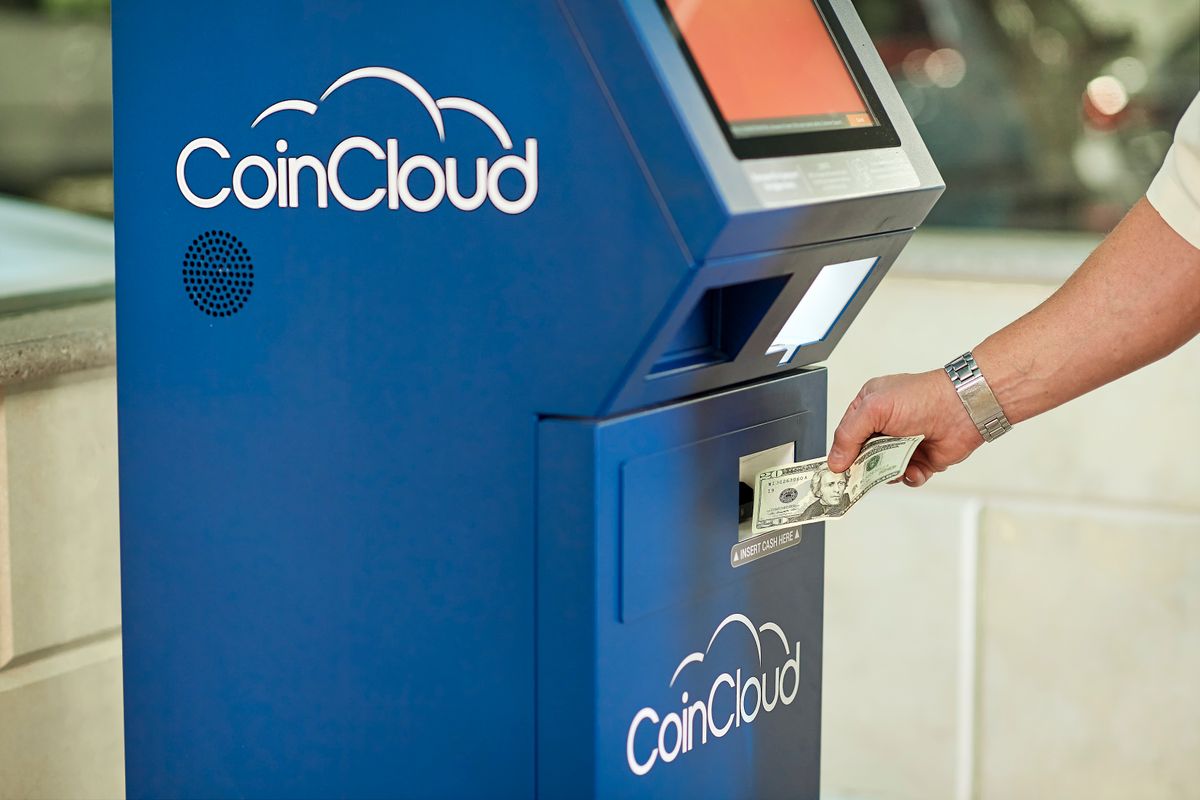
A Bitcoin ATM isn’t really an ATM in the traditional sense — it doesn’t dispense Bitcoin as physical cash, because Bitcoin has no physical form. Instead, it lets you insert cash and receive Bitcoin (or another cryptocurrency) sent to a digital wallet, or in some cases sell crypto back for cash.
Under the hood, it’s a kiosk connected to a crypto exchange’s liquidity, running your transaction through their systems and taking a fee for the convenience. Insert notes, scan a wallet QR code, done in under two minutes.
Why They Exist at All
Not everyone wants to sign up for an exchange account, pass identity checks, and wait for a bank transfer to clear. A machine that takes cash and hands over crypto instantly solves a real friction point — especially for people without easy banking access.
That convenience is exactly why regulators worry about them. Fast, semi-anonymous cash-to-crypto conversion is a textbook money laundering risk if the operator isn’t checking who’s using it.
The UK Regulatory Reality in 2026
Here’s the part that surprises most people: none of the Bitcoin ATMs currently scattered around the UK are authorised to operate there. The FCA has made this position clear repeatedly and has taken enforcement action against operators running unregistered machines.
The FCA has rejected or withdrawn more than 90% of anti-money-laundering registration applications from crypto ATM operators. That’s an extraordinarily high rejection rate — a signal, not a coincidence.
A formal fix is coming. The FCA opens its full crypto authorisation application window on 30 September 2026, running a six-month window that closes 28 February 2027. Complete authorisation requirements come into force on 25 October 2027.
Until then, any machine you walk past is operating in a grey zone at best.
The Fees Are Steep
Convenience costs money. Bitcoin ATMs routinely charge fees between 8% and 15% per transaction — dramatically higher than the roughly 0.1% to 0.5% you’d pay trading on a registered UK exchange like Kraken or Coinbase.
Buy £500 of Bitcoin at a kiosk charging 12%, and £60 disappears before you’ve even left the machine. That same £500 through a proper exchange app might cost you £2 to £5.
Steep price for skipping a five-minute sign-up form.
Real Risks Beyond the Fees
Regulatory grey areas aside, there are practical dangers. Some machines have been linked to scam operations, where fraudsters pressure victims — often elderly or distressed — into feeding cash into the machine as part of a romance scam or fake tech-support call.
Because the transaction is close to instant and the crypto moves to a wallet the victim doesn’t control, there’s often no way to reverse it. Banks can sometimes claw back a fraudulent bank transfer. Nobody claws back Bitcoin sent through a kiosk.
The machines themselves can also malfunction or be poorly maintained, with no customer service desk to complain to afterwards.
Spotting a Machine in the Wild
Bitcoin ATMs tend to cluster in specific spots — independent newsagents, vape shops, small supermarkets and petrol stations, usually in higher-footfall urban areas. Estimates put the number of machines currently active across the UK in the low hundreds, a fraction of the tens of thousands operating in the US.
Most display a green or orange touchscreen branded with a crypto logo, often “BitcoinDepot,” “General Bytes,” or a similar operator name. They rarely advertise heavily. Finding one is usually word of mouth or a dedicated locator website rather than obvious high-street signage.
Legitimate Uses Still Exist
None of this means everyone using a Bitcoin ATM is being scammed. Some users genuinely prefer the privacy and speed, particularly those without traditional banking access or those wary of linking a bank account to a crypto exchange.
For small, occasional purchases, the convenience premium might be worth it to some people. It’s a legitimate trade-off, provided the user understands exactly what they’re paying for that convenience.
How to Check If a Machine Is Trustworthy
Look for clear signage showing the operator’s company name and any FCA registration reference, even a temporary one. Genuine operators display this openly because it’s their strongest marketing point.
Check the fee before confirming the transaction — reputable kiosks show the exchange rate and fee clearly on screen before you commit any cash. If a machine doesn’t show fees upfront, walk away.
Never use a Bitcoin ATM because someone on the phone told you to. That instruction is the single biggest scam red flag in this entire space.
When I looked into recent enforcement cases, the pattern was almost identical every time: a caller claiming to be from a bank, a tax office, or tech support, instructing the victim to “protect their money” by converting it to Bitcoin at the nearest machine. Genuine banks and government bodies never ask you to do that. Ever.
Comparing the Alternatives Side by Side
Line up the options and the gap is stark. A registered UK exchange like Kraken or Coinbase typically charges 0.1% to 1.5% depending on payment method. A peer-to-peer platform sits somewhere in the middle, often 1% to 3%. A Bitcoin ATM sits well above both, at 8% to 15%.
Speed explains most of that premium. Bank transfers to an exchange can take minutes to a day to clear. A Bitcoin ATM gives you crypto in your wallet in under two minutes, cash in, done. For some people, especially those without ID documents an exchange would require, that speed is the entire point.
UK investors keep asking whether the fee gap will shrink once FCA authorisation kicks in from 2027. Early signals suggest the opposite — compliance costs for operators will likely push fees higher, not lower, as machines absorb the cost of proper AML checks.
What Happens If Something Goes Wrong
If you’ve used a Bitcoin ATM and suspect you’ve been scammed — pressured by a caller, misled about what you were paying for — report it immediately to Action Fraud on 0300 123 2040, and separately to the FCA.
Recovery odds are low once crypto has left the machine, but reporting still matters. It builds the evidence base regulators use to shut down non-compliant operators, and it can occasionally help trace patterns linking a machine to a wider scam network.
Keep the transaction receipt the machine prints, note the exact location and time, and if possible, take a photo of the machine’s operator signage. These details help far more than people expect when a case does get investigated.
The Bigger Picture: A Global Industry in Flux
The UK isn’t unique here. Bitcoin ATM operators worldwide are facing tightening rules as regulators wake up to how these machines get used for laundering and fraud.
Some countries have gone further and faster than the UK. Spain has already imposed strict cash-limit and identity-verification rules on crypto kiosks. Several US states have introduced daily transaction caps specifically aimed at reducing scam losses through these machines, after elder fraud cases traced back to ATM cash-ins became a well-documented pattern.
The direction of travel is consistent everywhere: less anonymity, lower transaction limits, and tighter operator licensing. The loosely regulated, walk-up-and-buy-anonymously era of Bitcoin ATMs is ending, not expanding.
Why Operators Keep the Machines Running Anyway
Given the regulatory pressure and enforcement risk, it’s fair to ask why operators keep machines running at all. The answer is simple: margin.
Charging 8-15% per transaction on even modest volumes generates substantial revenue against relatively low overhead — rent for the physical space, a data connection, and occasional cash collection. Compare that to an exchange’s wafer-thin margins competing on price, and the economics of a kiosk business become obvious.
That margin is exactly why the fee gap won’t close on its own. Only regulation and consumer awareness are likely to shrink it — which is precisely what the FCA’s incoming framework is designed to do.
What This Means for You
If you’re buying crypto for the first time, a registered UK exchange will almost always beat a Bitcoin ATM on cost, safety and regulatory clarity. Save the kiosk for genuine emergencies, not routine purchases.
If you already use these machines regularly, do the maths on what those 10%+ fees cost you over a year. For most people, that number is a wake-up call to open an exchange account instead.
Keep an eye on the FCA’s authorisation window opening this September — once operators start dropping out rather than paying for compliance, the machines that remain on UK high streets should, at least, be safer than the ones there today.
This article is for educational purposes only and does not constitute financial advice. Cryptocurrency investments involve significant risk. Always do your own research.
Stay ahead of the market
Join our community of nearly 5,000 across YouTube, LinkedIn, X, and Facebook — weekly crypto, AI, and digital lifestyle insights every Thursday. No spam. Unsubscribe any time.
Partner picks
Build a smarter digital stack
Explore curated AI, automation, wealth, and creator tools selected for practical value, transparent pricing, and clear use cases.
Disclosure: some links may be affiliate links. DigitechLifestyle may earn a commission at no additional cost to you.