NFTs Explained: Beyond Digital Art
What NFTs actually are, why the 2021 crash happened, and where the technology genuinely works today — ticketing, gaming, property and UK tax rules.
Mention NFTs to most people and they picture a cartoon ape selling for six figures, then crashing to nothing. That’s one chapter of the story, not the whole book. Years after the 2021 boom and bust, NFTs have quietly moved into ticketing, property records and supply chain tracking. Worth understanding what actually survived.
What an NFT Actually Is
NFT stands for non-fungible token, a unique entry on a blockchain that proves you own a specific digital, or sometimes physical, item. Fungible means interchangeable, like pound coins: any £1 coin is worth the same as any other. Non-fungible means each one is distinct, like a house or a signed painting.
An NFT itself is usually just a small piece of code pointing to something else — an image file, a ticket, a deed. The blockchain records who owns that pointer and tracks every time it changes hands. Nobody can quietly edit the ownership history afterwards.
The Digital Art Boom, Briefly
NFTs exploded into public view in 2021, when the artist Beeple sold a digital collage at Christie’s for $69 million. Bored Ape Yacht Club images became status symbols and celebrity Twitter avatars, and eventually the punchline of a thousand jokes once prices collapsed through 2022 and 2023.
That crash wasn’t NFTs failing as a technology. It was speculative mania meeting reality, same as it always does. Plenty of projects were pure hype with zero utility behind the picture. Those went to zero, deservedly.
The 2021 Crash: What Actually Happened
NFT trading volume peaked around $17 billion in January 2022, according to blockchain analytics firm DappRadar, then fell by more than 95% over the following eighteen months. Several factors combined at once: rising interest rates pulled speculative money out of every risk asset, celebrity-driven hype faded once regulators started asking questions, and a wave of copycat projects flooded the market with nothing new to offer.
Many buyers treated NFTs purely as a flipping opportunity, buying at mint price hoping to resell within days for a profit. That only works while new buyers keep arriving. Once the queue of new buyers dried up, prices for most collections collapsed toward their actual utility value, which for a plain jpeg with no other function, was close to nothing.
The projects that survived shared one trait: they did something beyond the image itself, whether that was gaming utility, membership access, or a genuine real-world function. That pattern is a useful filter for judging any NFT project today, three years on from the crash.
Where NFTs Actually Work Today
Ticketing is the quiet success story. Several UK festivals have trialled NFT-based tickets, which make touting and fake tickets far harder to pull off. The blockchain record proves exactly who bought a ticket and whether it’s been resold above face value.
Gaming is another genuine use case. Items in games like Axie Infinity and newer UK-built titles are NFTs, meaning players actually own their in-game swords, skins or land, and can sell them outside the game entirely. Something impossible in traditional gaming, where a game skin vanishes the moment the servers shut down.
Membership and access passes are growing too. Some UK sports clubs now issue NFT season passes that double as loyalty programmes, tracking attendance and unlocking perks without a paper ticket in sight.
NFTs for Real-World Assets
The bigger opportunity, honestly, has nothing to do with pictures. Property firms are experimenting with NFTs to represent fractional ownership of buildings — buy a token, own a slice, collect a slice of the rent.
HM Land Registry has researched blockchain-based property records, partly inspired by the same technology underpinning NFTs. The goal is cutting the weeks-long conveyancing process down to something that doesn’t make homebuyers want to scream.
Supply chain tracking uses the same idea. A luxury handbag or a bottle of Scotch whisky can carry an NFT certificate proving it’s genuine and tracing its journey from factory to shop. Counterfeiting costs UK brands billions a year. This is a direct answer to that.
How to Actually Buy and Store One Safely
Buying an NFT starts with a crypto wallet — MetaMask is the most common choice for UK users, available as a browser extension or phone app. You’ll need some ETH, or whichever cryptocurrency the marketplace uses, to cover both the purchase and the network transaction fee.
Marketplaces like OpenSea and Blur dominate the space, letting you browse collections, check price history and verify a project’s official status before buying. Always check for the verified badge and cross-reference the project’s official website and social accounts. Fake copycat collections using near-identical artwork are common and have caught out even experienced collectors.
Once bought, your NFT sits in your wallet, not on the marketplace itself. That distinction matters: if OpenSea disappeared tomorrow, your NFT would still exist on the blockchain and remain accessible through any compatible wallet. Losing your wallet’s recovery phrase, on the other hand, means losing the NFT permanently. There’s no customer service line that can get it back.
NFTs vs Cryptocurrencies: What’s the Difference
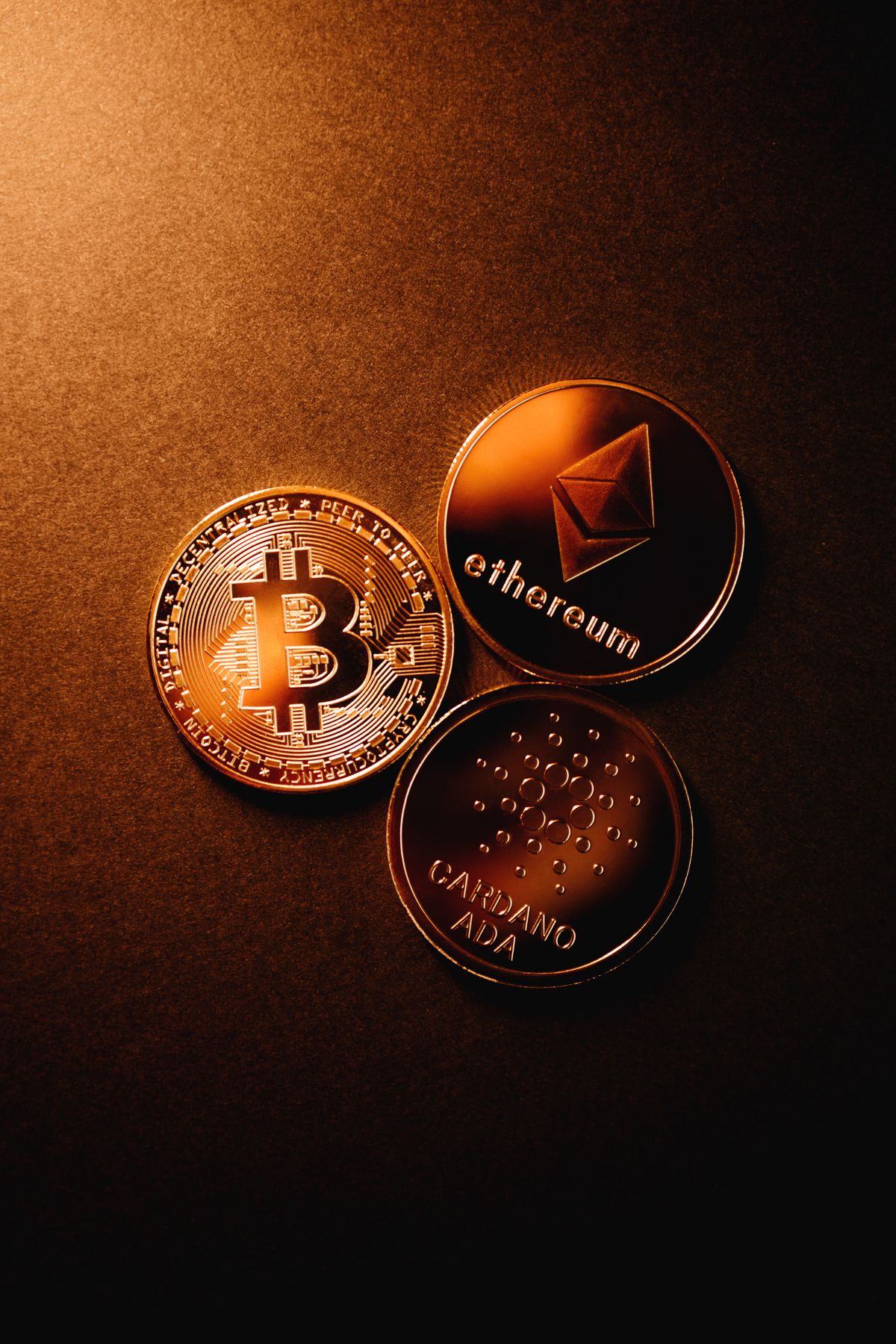
People often lump NFTs and cryptocurrencies together, but they solve different problems. Bitcoin and Ethereum are fungible: one ETH is identical in value to any other ETH, which is exactly what you want from money. NFTs are the opposite by design, each one deliberately unique and non-interchangeable.
Both run on blockchain technology, and NFTs are usually bought and sold using cryptocurrency, which is where the confusion creeps in. But an NFT isn’t a currency. It’s closer to a digital deed or certificate than a coin.
This distinction matters for UK tax purposes too. HMRC assesses NFTs individually based on their specific circumstances, rather than lumping every crypto asset into one identical tax treatment. Two NFTs bought on the same day for the same price can still have different tax outcomes depending on what they actually represent.
The Tax Question UK Holders Keep Asking
HMRC treats NFTs like other crypto assets for tax purposes. Sell one for a profit and you likely owe Capital Gains Tax. Receive one through an airdrop or as payment, and Income Tax can apply instead, depending on the circumstances.
UK investors keep asking about this because NFT platforms rarely issue anything like a clean transaction summary. Keeping your own records — purchase price, sale price, date, in GBP — saves a nasty surprise at self-assessment time. HMRC’s cryptoassets manual covers NFTs specifically if you want the source document.
The Real Risks Nobody Mentions Enough
Liquidity is the big one. An NFT is only worth what somebody else will pay for it right now, and for most collections, that number is often zero. Unlike a share or a bond, there’s no guaranteed buyer.
Smart contract bugs and outright scams remain common. Rug pulls, where a project’s creators vanish with investor money after minting, still happen weekly. Wallet-draining scams disguised as free NFT mints have cost UK collectors real money, with thousands of crypto-related scam reports logged last year alone.
Then there’s the environmental question. Early NFTs on Ethereum used huge amounts of energy under the old proof-of-work system. Ethereum’s 2022 move to proof-of-stake cut that energy use by over 99%, which quietly defused one of the strongest criticisms of the whole space.
Notable Projects Worth Knowing
Bored Ape Yacht Club remains the collection most people recognise, even now trading at a fraction of its 2021 peak. CryptoPunks, one of the earliest NFT projects from 2017, still holds historical significance as proof that the format existed years before mainstream attention arrived.
Away from art, some infrastructure projects have used NFT-style licensing to represent real-world rights and assets, a genuinely novel use of the technology outside speculation entirely. In the UK, several independent musicians have used NFTs to sell limited-edition releases directly to fans, keeping a larger share of revenue than a traditional streaming deal would allow.
None of these examples guarantee NFTs will dominate any particular industry long-term. They do show the technology finding real jobs to do once the speculative froth cleared away, which is usually how genuinely useful technology survives its own hype cycle.
How to Approach NFTs Sensibly
Ignore the picture. Ask what the token actually does. Does it grant access, prove ownership of something real, or unlock a genuine perk? If the honest answer is nothing, it’s just a picture people might want later, treat it as pure speculation, not an investment.
Check the platform’s track record before minting anything. Look for audited smart contracts. Never connect your wallet to a site found through a random message or a free mint advert. That’s the single most common scam vector right now.
What This Means for You
NFTs aren’t dead, whatever the headlines said in 2023. The technology quietly matured into ticketing, gaming, and asset verification while the speculative bubble around jpegs deflated. Judge any NFT on what it actually does, not on whether it might go viral.
This article is for educational purposes only and does not constitute financial advice. Cryptocurrency investments involve significant risk. Always do your own research.
Stay ahead of the market
Join our community of nearly 5,000 across YouTube, LinkedIn, X, and Facebook — weekly crypto, AI, and digital lifestyle insights every Thursday. No spam. Unsubscribe any time.
Partner picks
Build a smarter digital stack
Explore curated AI, automation, wealth, and creator tools selected for practical value, transparent pricing, and clear use cases.
Disclosure: some links may be affiliate links. DigitechLifestyle may earn a commission at no additional cost to you.